Hormone Changes And Urological Health And Wellness
Hormonal Changes And Urological Wellness
You don't have to accept periodic bladder leak as one more negative effects of menopause or aging. In a lot of cases, there are things you can do to stop and even protect against urinary incontinence. Identifying hormone-related urological issues starts with a detailed case history and physical exam. Blood examinations measure hormone degrees like testosterone, estrogen, and adrenal hormones. These tests assist identify imbalances that may be creating symptoms such as regular urination or urinary incontinence.Common Sources Of Women Infertility

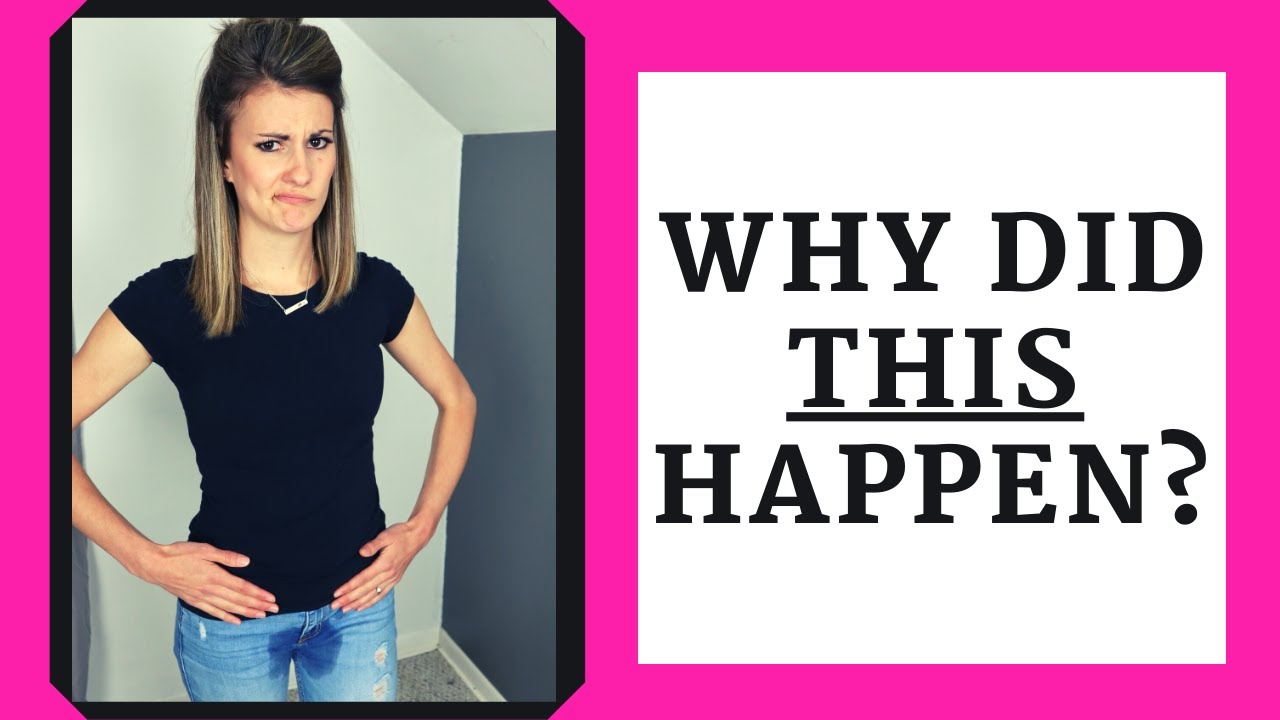
There's no reason you can't enjoy an active and certain life with UI. Electrical excitement of your pelvic muscular tissues may help your gain back control of your bladder if your UI belongs to nerve problems. When your bladder does not empty fully, Click for more this type of UI can show as continual urine dribbling. You can have a weak urinary stream, feel like urinating during the night (nocturia), and enhanced urinary system hesitancy.
When Is It Time To Seek Medical Support To Help With Conception?
Estrogen likewise plays a rather big duty in urinary system tract health and function. Urinary incontinence can materialize in different types during menopause, including anxiety urinary incontinence, urgency urinary system incontinence, or mixed urinary incontinence as one of the most typical. Reducing estrogen levels are accountable for primarily all of those not-so-fun perimenopause and postmenopause signs and symptoms-- including adjustments to our bladder. In menopause, women's ovaries stop producing estrogen, therefore deteriorating their body's natural defenses against UTIs. Urinary system urinary incontinence, or uncontrolled bladder leak, is an issue that affects numerous Americans. While it might occur to any individual, this kind of urinary incontinence is most common in older adults, and women are more likely to experience it than guys.- A 2011 research reviews how estrogen plays a crucial duty in maintaining our vaginal areas and urinary system systems healthy and balanced.
- In addition, the lack of standardization in exactly how UI is specified and gauged across populations makes it difficult to contrast results straight.
- This type can be set off by a rise in bladder level of sensitivity caused, once more, by reduced estrogen degrees.
- Often you can really feel a constant urge to pee known as over active bladder.
- Let's explore the link in between menopause and urinary system incontinence, exposing myths and providing practical remedies for handling and minimizing your signs.
- Our collection included 11 researches incorporating a total amount of 8,547 postmenopausal women [10-20]
What Triggers Urinary System Incontinence?
It's formally specified as the last menstrual period that a lady experiences. The years leading up to menopause are called perimenopause and may start years before you actually have your last duration. We've all listened to the trademark signs of menopause-- warm flashes, state of mind swings, and night sweats among others. However one very common sign of menopause that many women do not review is urinary incontinence.
Yet as these drugs have grown in appeal, people have actually transformed to social media to go over ... The good news is, you can Check out this site do plenty at home to help support hormonal agent levels and make perimenopause a little less complicated on your body. Hormone modifications can happen during life occasions such as adolescence, maternity, menstrual cycle, and menopause.