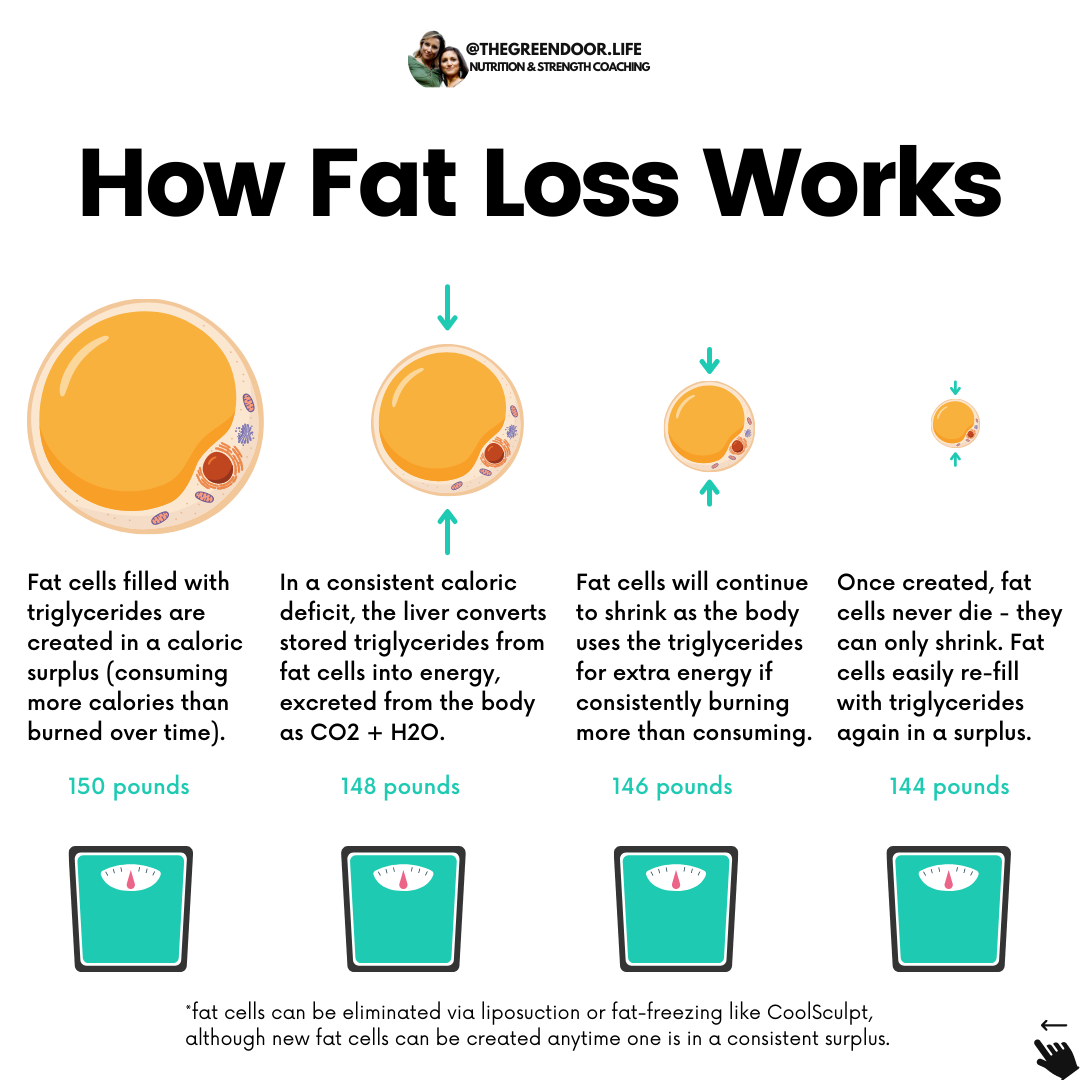
Melting Fat: Where Does It Go?
Non-surgical Fat Decrease Coolsculpting, Kybella, Sculpsure, Ultrashape Abcs
When your body needs energy due to the fact that you are eating much less than you burn, it gets in touch with these fat cells to open the store. The triglycerides break down into fats and glycerol, which obtain released right into your blood stream, utilized as gas by your muscles, and at some point exchanged co2 and water. It is the decrease of stored power, the body's rainy-day fund of calories. When you absolutely shed fat, you are transforming the means your body takes care of energy.Calories From Food
- Individuals often expect instantaneous shape adjustment, yet the timeline is slower since clearance of dead cells is progressive.
- One more kind, called natural fat, sits deeper in your belly under the abdominal wall surface.
- Triglycerides might also be sensed using their suppositional results on leptin and insulin transport throughout the blood-- brain barrier (9,100,101).
- If you mix in other sorts of workout, like resistance training, you may see much more benefits.
- Although the idea that the adiposity signals mirror both total stores and the fraction of ultimate capability loaded follows observations in weight management researches, it needs to be examined extra carefully.
Extended Data Fig 11 High Quality Metrics Of Mouse Snrnaseq Data
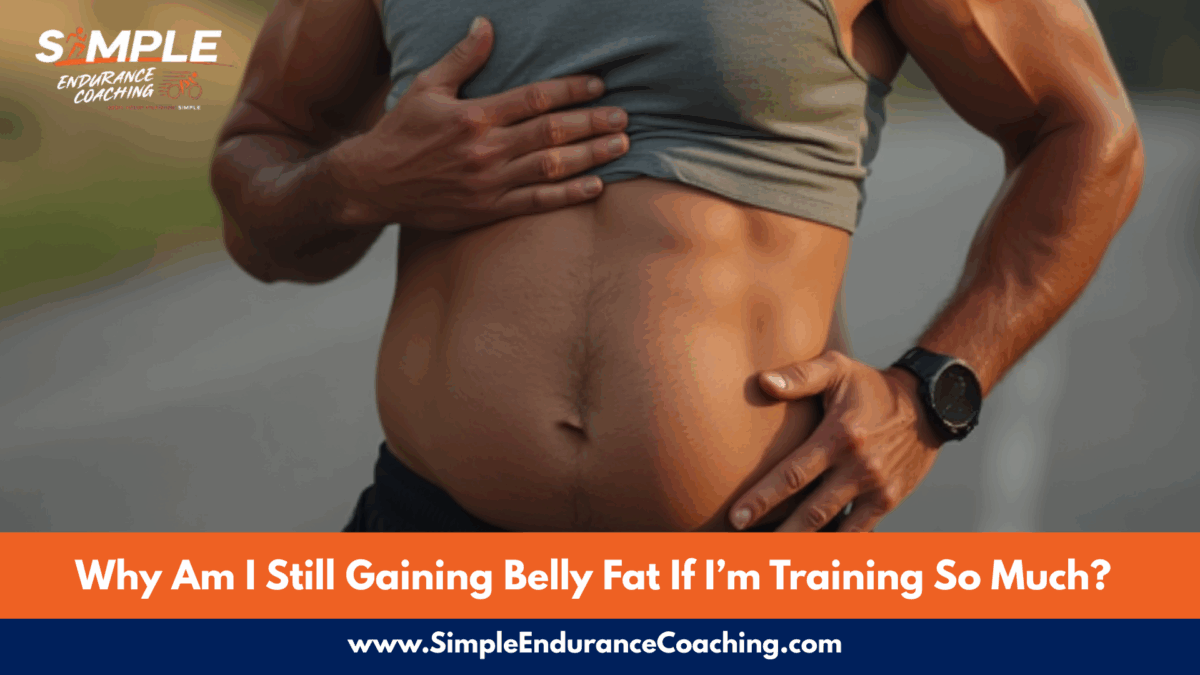
"If you don't get enough sleep, your body produces more of the hormone ghrelin, which raises appetite, and less of the hormonal agent leptin, which assists you really feel complete," Peeke states. [newline] Adult women typically need between 1,600 and 2,400 calories per day, and adult Legs men between 2,000 and 3,000 calories. Taller, heavier, or a lot more energetic people will go to the higher end of each range. When fat rests simply under your skin, medical professionals call it subcutaneous fat. One more kind, called visceral fat, sits deeper in your tummy under the abdominal wall surface.
Wellness Categories To Discover
Virtually, the image ends up being much more intricate as the incorporated feedback signal from fats consists of feedback from multiple adipose depots that have various metabolic and cellularity features (15 ). Moreover, there is a huge variability between people relative to the metabolic and cellularity qualities of their adipose depots (22 ). This variation might convert right into various 'thresholds' for adipocyte size and, as a result, different ultimate capabilities for a provided adipocyte number. Even so, the worth of this hypothesis is that it gives a fundamental explanation for the perseverance of the energy gap driving weight regain in both static (throughout weight upkeep) and dynamic (throughout weight regain) phases of the relapse to excessive weight.
We described enhancers that acquired (and maintained) H3K4me1 in obesity and WL 'brand-new boosters'. The majority of these 'new enhancers' were also active (that is, noted by H3K27ac) during weight problems and/or WL (Fig. 4d). We then annotated the boosters to their closest genetics and did a GSEA. Corroborating these outcomes, Roh et al. had evaluated H3K27ac in adipocytes of overweight mice and reported damaged identification maintenance during obesity25.