Why Some Areas Of Fat Return Quicker Than Others And What Affects It
Weight-gain Surprises: Tension, Medications, And A Lot More
Nonetheless, proof suggests that it is CD8+ T lymphocytes that initiate the processes of swelling in AT (Nishimura et al., 2009). Low-grade swelling drives the secretion of a broad spectrum of cytokines, which better boost low-grade swelling, causing a vicious cycle. Lump death factor-alpha (TNF-α), interleukin 1 beta (IL-1β), and monocyte chemoattractant protein-1 (MCP-1) are several of the best-characterized cytokines in AT. TNF-α causes a boost in the M1/M2 polarization proportion in macrophages. M1 macrophages improve the pro-inflammatory reaction, whereas M2 macrophages have anti-inflammatory homes. Additionally, TNF-α inhibits both the insulin and the catecholamine signaling paths in adipocytes, resulting in lowered metabolic adaptability (Langin and Arner, 2006; Guilherme et al., 2008).
Comprehending Why Some Body Areas Are Much More Resistant To Fat Loss
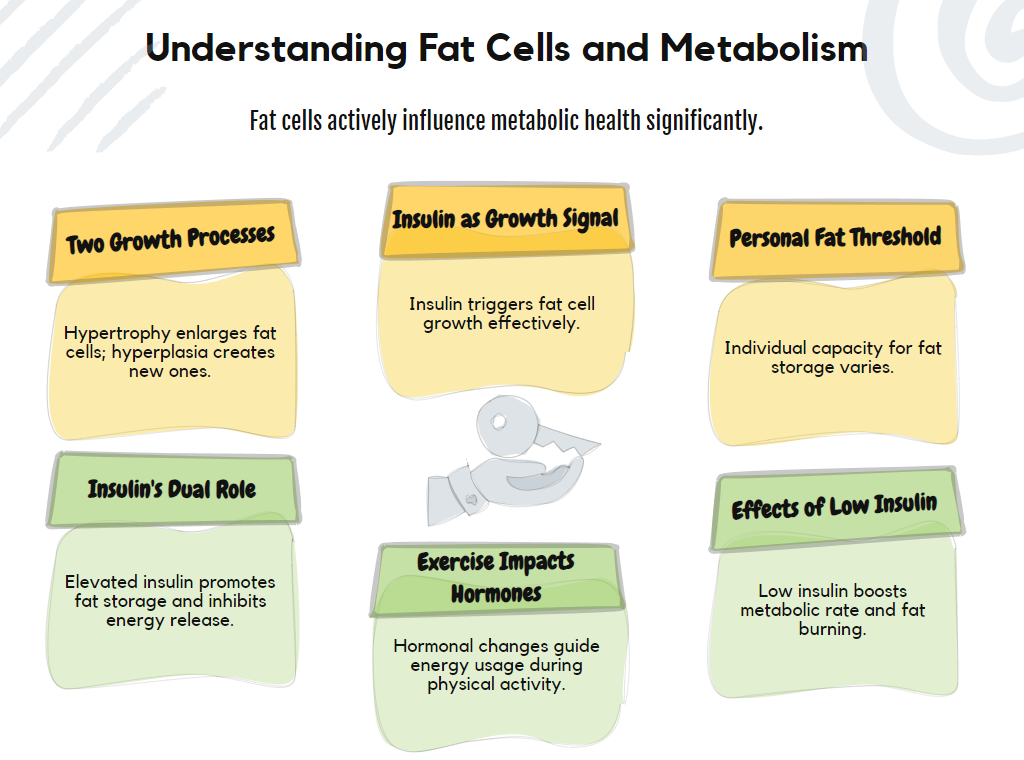
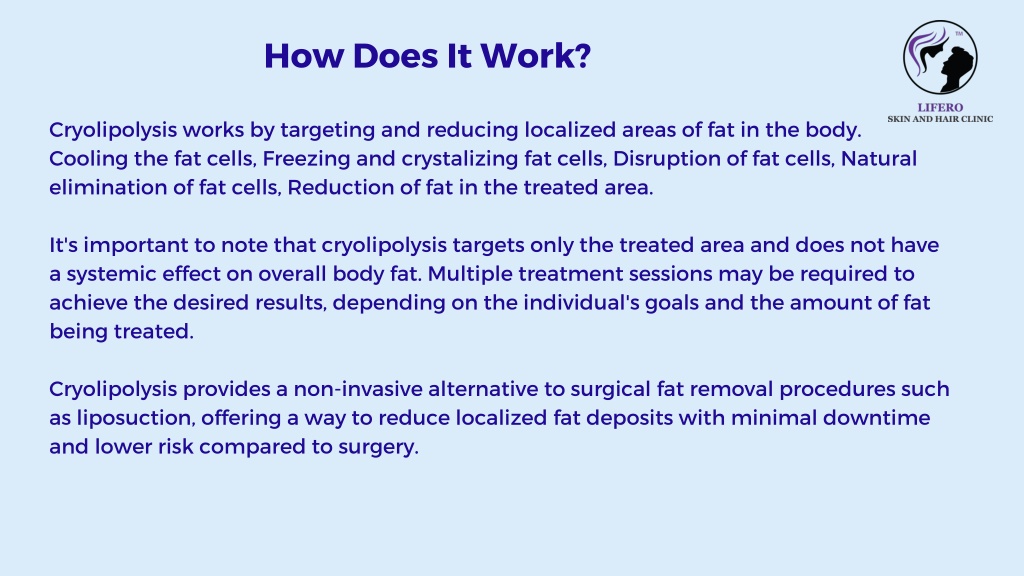
- It's time to dive a little deeper right into what else might be taking place.
- If you're constantly doing the same regimens, your body gets made use of to it and will hit a plateau.
- What this research study demonstrates is that while our genes dictate where fat returns first, way of life aspects impact the rate and design in which it returns.
- An unfavorable adverse effects from some antidepressants is weight gain.
- But lots of people are let down to find that, after striving to achieve their goals, their reflection in the mirror does not match their expectations.
Much more data are needed to support the carbon and nitrogen redistribution theory on weight loss effect of exercise. Exercise training reduces stomach fat, in which high-intensity exercise generates even more famous weight loss than reduced and moderate strength exercise (Vissers et al., 2013; Viana et al., 2019). Weight loss is a timeless theory to describe the abdominal fat-reducing outcome of workout training. Increased lipolysis with raised distributing fats together with enhanced oxygen intake throughout exercise appears to favor this description (Romijn et al., 1993; Mora-Rodriguez and Coyle, 2000). Additionally, enhanced energy expense, particularly throughout high intensity workout, comes from gas stored in skeletal muscle (mostly glycogen), not adipose tissue (fats) (Romijn et al., 1993).
Continual adherence to endurance exercise boosts oxidative capability and, consequently, the ability to make use of energy. In Take a look at the site here lots of interventional exercise training researches, no considerable decrease in body weight is seen either in obese or lean topics, in spite of an enhancement in metabolic policy (Sandvei et al., 2012; Langleite et al., 2016). In workout treatments, standardized job is generally done at a particular work or intensity for a given period. As previously discussed, the majority of the energy used throughout high-intensity workout is sourced from carbohydratesLudwig's camp concedes that even more research needs to be done, yet they say those ideas alone deserve our interest. Among the Ludwig camp's core issues about the EBM is that it does not dig deep enough right into the physical reasons for weight problems. Today, the average man weighs around 30 pounds more than the average guy carried out in 1960. There's something regarding the food, both sides say, that's rejiggering our metabolic rate. Yet the CIM camp claims the EBM individuals have not pinpointed what that is. A mix of reduced cardiorespiratory health and fitness and minimized mobility assists explain why exercise ends up being a frustrating task for an obese individual, particularly recognizing that they must run 100 km to Continue reading get rid of 1 kg of fat (see BOX 1).
Many upper arm fat is subcutaneous, which indicates it resists diet and exercise more than other kinds. Genes, hormonal agents, and maturing all make this fat harder to lose, specifically for females. That's why liposuction for arms is typically the most efficient way to reduce it.That assists describe why abdominal fat, reduced belly, and the thighs can feel a lot more immune also when overall fat burning is occurring. The significance of strength training can not be emphasized enough when it involves fat loss. Resting metabolic rate (the calories needed to finish life functions) boosts drastically with boosted skeletal muscle mass as skeletal muscle is metabolically energetic cells. High cortisol from anxiety, insulin resistance, and hormonal changes throughout menopause can trigger your body to hold on to belly fat. With the best mix of diet regimen, workout, sleep, and stress administration, you can shift this pattern. " Specifically how carbohydrate-driven insulin activity on adipose tissue drives hunger or slows metabolic price is not defined by the CIM," Hall et al. write in the most up to date EBM.
Body Fat Percent For Ladies
Lower blood circulation also causes less quick transport of fatty acids away from cells, reducing the rate at which those locations lessen. This partly describes why arms or reduced legs can be 'last to transform' with weight reduction. Instead, attempt replacing these foods with foods high in unsaturated fats, which may improve body composition, overall body weight, and power expense. Several variables might influence your power balance, such as your degree of exercise, the sorts of food you consume, and your levels of stress and anxiety, to name a few.
You might notice when you begin to slim down that you'll require to urinate more often. That's since your body is trying to get rid of those by-products. Consuming a lot more water can help motivate this process, and may also assist increase your metabolic rate. However lifestyle aspects can have a big impact on your deep fat levels; workout and diet plan matter extremely-- especially to those more prone to bring abdominal fat. This suggests that premenopausal women-- that have greater levels of oestrogen than others-- are much less likely to keep fat in their abdominal area and close to their essential body organs.
Adipocytes have a life time of around 8-- one decade, suggesting that ∼ 10% of these cells have to be changed each year (Spalding et al., 2008). Appropriately, an equilibrium between apoptosis and adipogenesis is needed for the upkeep of AT. Evidence recommends that many macrophages in AT are in close proximity to apoptotic adipocytes (Murano et al., 2008). The searching for that macrophage numbers are raised in AT of obese individuals is not surprising. Macrophages are the major cell kind in charge of the enhanced low-grade swelling seen in AT disorder. LPL/HSL by site contrasts graphes highlight these distinctions and provide important insights for intending diet regimen and workout. Menopause, for instance, tends to relocate fat from aware of the abdomen. When hormonal agents are imbalanced, particular areas can redeem fat quicker than others, which is why persistent zones are so prevalent post-appetite reductions. If your hormones are out of equilibrium, losing stubborn fat can feel nearly impossible, despite your initiatives.